The Lori Schubert Writer-in-Residence Program is a new annual writer-in-residence program for a Quebec-based, English-language writer aged 60 or over, taking place over four months, January to April.
Named in honour of QWF’s executive director from 2003 to 2026, the Lori Schubert Writer in Residence is funded in perpetuity thanks to the unprecedented generosity of a long-time supporter of QWF.
The selected writer will receive a $10,000 stipend and divide their residency hours (25 per month) between working on their own project and offering email or 30-minute online consultations with QWF members who have questions about writing or publishing or who would like editorial or global feedback on short pieces of writing. The precise nature of the available services will be determined by the writer in residence in consultation with an oversight committee from the QWF.
Call for Applications: 2027 Writer in Residence
Applications for the inaugural Lori Schubert Writer in Residence are now open. The deadline to apply is September 30, 2026.
Eligibility Criteria
To be considered eligible for the residency, a writer must:
- Be working in English
- Be age 60 or over by the start of the residency (January 2027)
- Be a QWF member in good standing at the time of application and throughout the residency
- Have a permanent residence in the province of Quebec
- Have a demonstrated record of professional literary publication
- Have an interest in engaging with QWF members at all levels of their writing practice
This opportunity is open to published literary writers in all genres.
If you’d like to explore the possibility but aren’t sure if you’re eligible, contact us at info@qwf.org.
2026–2027 Timeline
- Deadline for applications: September 30, 2026
- Announcement of writer in residence at QWF Awards Gala: November 9, 2026
- Term of residency: January to April 2027, but with some flexibility
- Public event: late April or early May 2027
About Lori Schubert
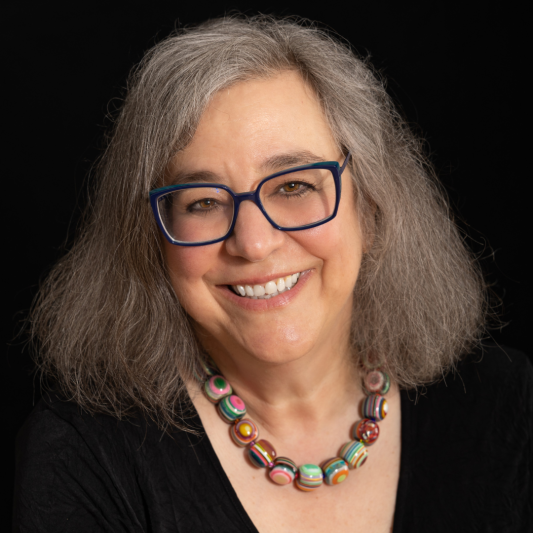
Executive Director of the Quebec Writers’ Federation from 2003 to 2026, Lori Schubert has been foundational to the flourishing of Quebec’s English-language literary community over the past two decades. Lori presided over a period of sustained growth for QWF, greatly expanding its existing programs and launching new initiatives to serve writers of all genres, levels, ages, backgrounds, and regions of Quebec. Under her leadership, QWF added awards for children’s and young adult literature, playwriting, and spoken word; created new professional opportunities for writers, including racialized and underrepresented writers through the Fresh Pages Diversity Initiative; launched two literary journals; and expanded its membership to well over 1000. For Lori, among the highlights of her tenure at QWF were the addition of two projects for young writers, Quist and the new youth mentorship program. With this residency, which she designed with the support of members of the QWF board, she is delighted to contribute to the available opportunities for more senior members of the QWF community.
Beyond her work at QWF, Lori was instrumental in the founding of Quebec’s English-language Arts Network (ELAN) and the National Juries and Awards Working Group (NJAWG) in 2021, and she has served in an advisory capacity for YES Montreal, the Blue Metropolis Foundation, and the Atwater Writers’ Exhibit. She chaired the Arts & Culture Education and Skills round table, leading to the upcoming launch of a new program, to be housed at YES, to benefit English-language arts and culture organizations throughout the province.
For over twenty years, Lori’s warmth, candour, and generous spirit have been at the heart of QWF, establishing it as a welcoming space for all writers, one that nourishes their creativity and nurtures them through every stage of their careers.
QWF actively seeks to maximize diversity in its staff, part-time employees, members, and board of directors. We welcome applications from all qualified individuals and encourage Indigenous people, people of colour, LGBTQ+ and gender-nonconforming people, people with disabilities, people living with socio-economic hardship, women, and members of any other marginalized group to self-identify if they are comfortable doing so.