
Description
Eight Mondays, Oct 5–Nov 30, 8:00–10:00 p.m. (no meeting Oct 12)
Open to all
Limited to 12 participants
Online only*
Creative nonfiction thrives on surprising connections and shocking twists. The essay in particular is a form that often seeks to find truth by bringing together disparate narratives. Creating depth and tension through unexpected juxtaposition of themes, images and even styles, it allows us to examine a subject anew from multiple angles–personal, historical, cultural, whatever catches your imagination!
But how do you find those different threads, and once you’ve got them, how do you structure your thoughts? How do you go from a mass of disparate observations to a cohesive, powerful and surprising work of creative nonfiction?
That’s where braiding comes in. As essayist Nicole Walker writes, “radical braiding is a foundation of creative nonfiction.” It exists in almost every mode, from personal essay to literary journalism. It even pops up in fiction. Braiding narratives can bring breadth to a personal story, intimacy to a scientific subject, and drama to the mundane. As with the hairstyle, a braid can be neat or messy, simple or endlessly complex, with a pattern that breaks apart only to come together in the end as a fascinating, unexpected whole.
Whether you’re starting a new project or looking to bring fresh complexity to a work in progress, this eight-week workshop will offer a deep dive into the craft of braiding. Through readings, writing activities and peer and instructor feedback, participants will learn from writers who use the form with great skill and apply that knowledge to their own work. Participants should be prepared to complete the session with a draft of a braided essay.
Before our first meeting, please read “The Braided Essay as Social Justice Action” by Nicole Walker and come prepared to write!
*This workshop will take place online via Zoom. A Zoom link will be sent to all registered participants a week or so prior to the first session.
Workshop leader
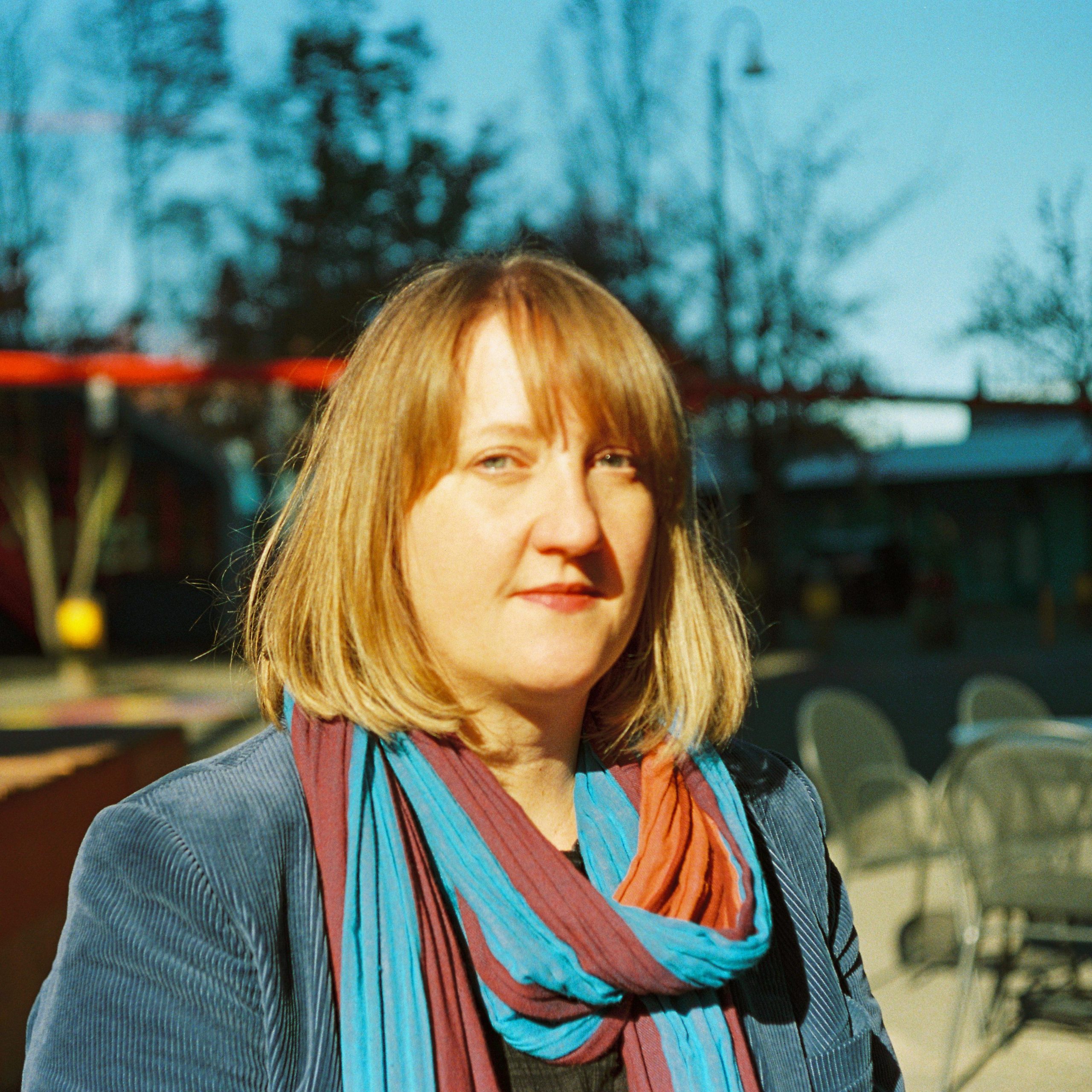
Erika Thorkelson is the author of two forthcoming books of creative nonfiction: How to Look at a Volcano, an essay collection that explores the intimate effects of large-scale instability and disaster, both human made and natural (Book*Hug Press 2027), and Clumsy, a memoir about growing up poor and nerdy on the prairies at the end of the 20th Century (NeWest Press 2028). Her work has appeared in local and national publications including Geist, Prairie Fire and The Walrus. Her essay “A Girl Needs a Mech Suit” will appear in the Best Canadian Essays 2027.
Instagram: @ethor
Substack: @ethorkel